Trial goals and patient eligibility
Neuralink received FDA permission to start its first major trial for the LINK brain-computer interface for patients with amyotrophic lateral sclerosis (ALS). This study evaluates the safety and efficacy of the LINK device while testing whether patients can control digital devices through thought. The company focuses on functional outcomes that improve independence in daily life. The FDA granted this authorization on an experimental basis, but the trial allows Neuralink to recruit participants and follow an approved clinical protocol to determine if the technology is safe for future use. The study will evaluate the ability of patients to control digital devices through thought, and it focuses on functional outcomes that improve independence in daily life to assess the long-term safety and reliability of the LINK system. If the technology proves safe, Neuralink can apply for further trials and market release. This trial targets a limited number of patients with ALS, a neurodegenerative disorder that damages nerve cells controlling voluntary muscle movement. This study follows the work Neuralink performed with more than 30 participants to date.
Technology and previous participant results
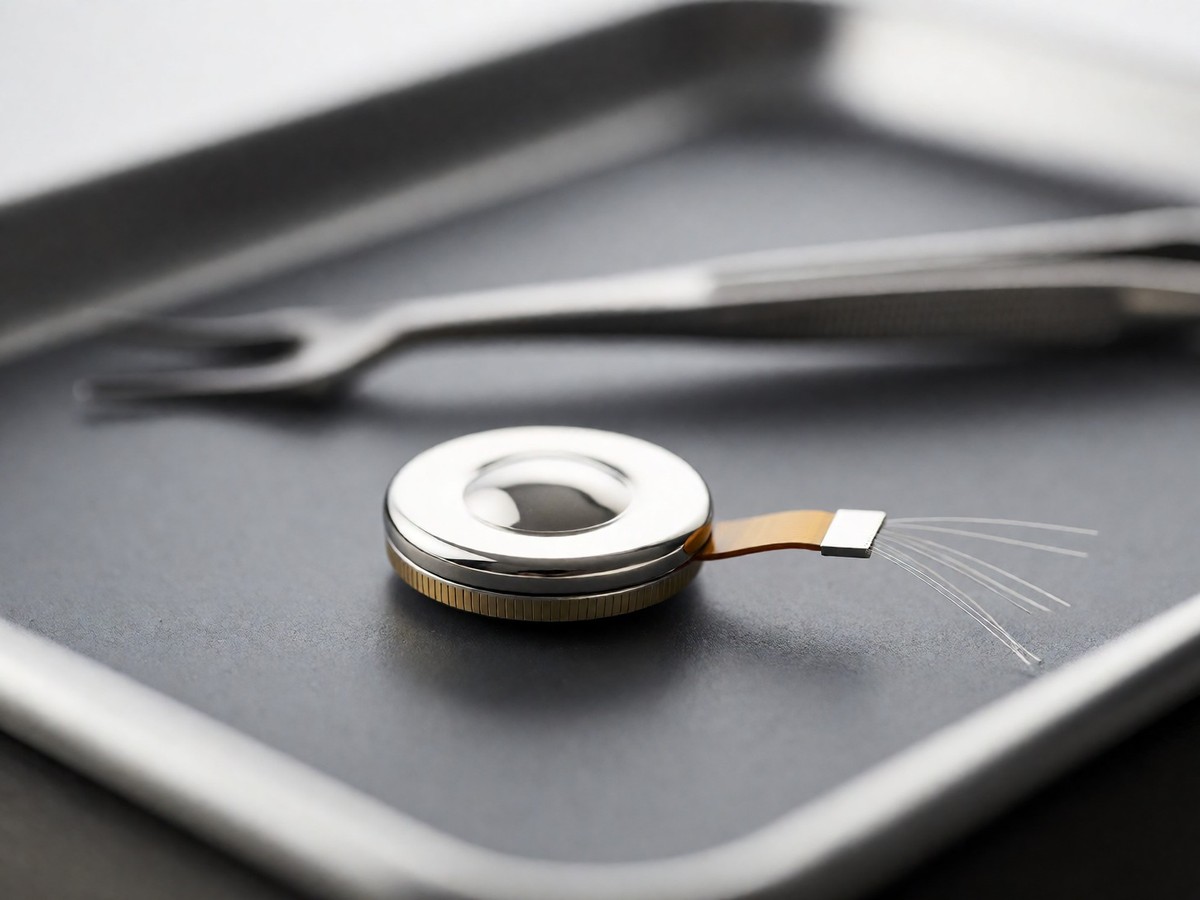
The N1 implant sits in the skull while the R1 robot inserts flexible electrodes into the brain to capture movement-related signals. Software interprets neural signals associated with movement and translates these signals into commands for controlling computers or digital devices. This technology aims to let patients operate tools without keyboards or other physical controls.
| Component | Function |
|---|---|
| N1 implant | Sits in the skull |
| R1 robot | Inserts flexible electrodes |
| Software | Translates brain signals into commands |
Neuralink has worked with more than 30 participants to date. Last year, Bradford Smith, a participant with ALS, used brain signals alone to communicate. Smith said, "Neuralink has given me freedom, hope, and faster communication. … It has improved my life so much. I’m so happy to be involved in something big that will help many people." Because the system interprets movement-associated brain activity, the technology provides a way for those with paralysis to regain control over their digital environment. The N1 implant receives signals which the software then converts into commands. This process helps patients communicate with the outside world. The technology helps patients operate devices without keyboards or physical controls. The company intends to develop a brain implant that allows people with paralysis to control devices using their brain alone.