Financial and leadership pressure
Intel faces a decision to grant Trump a ten percent stake or face consequences as the administration renegotiates semiconductor deals. The administration halted additional CHIPS and Science Act funding after Intel received $2.2 billion in grants by March 2025. Trump described the CHIPS Act as "a horrible, horrible thing," while officials within the Commerce Department expressed frustration over funding a "failing incumbent" in the semiconductor industry.
The leadership crisis centers on CEO Lip-Bu Tan, who took the role in March 2025. Reuters reported that Tan invested in "hundreds of Chinese tech firms," including some with connections to Beijing’s military. Although Tan faced no personal charges, his former firm, Cadence Design Systems, pleaded guilty to violating US sanctions by selling semiconductor designs to a restricted Chinese military university and agreed to pay more than $140 million in fines. This violation happened while Tan served as the CEO of the firm. The political pressure increased after a senator sent a letter to Intel regarding these China ties.
| Financial Detail | Value | Context |
|---|---|---|
| Intel Grant Total | $2.2 billion | Received by March 2025 |
| Cadence Fine | >$140 million | Violation of US sanctions |
| Trump Stake Demand | 10% | Proposed negotiation term |
Trump watched a Maria Bartiromo show on Fox Business that discussed a senator’s letter regarding Tan’s connections to China. He stated that the CEO of Intel is "highly CONFLICTED and must resign, immediately" and claimed there is no other solution to the problem. This criticism followed the reports about Tan’s previous business activities in Asia and the specific sanctions violations of his former company.
The August meeting
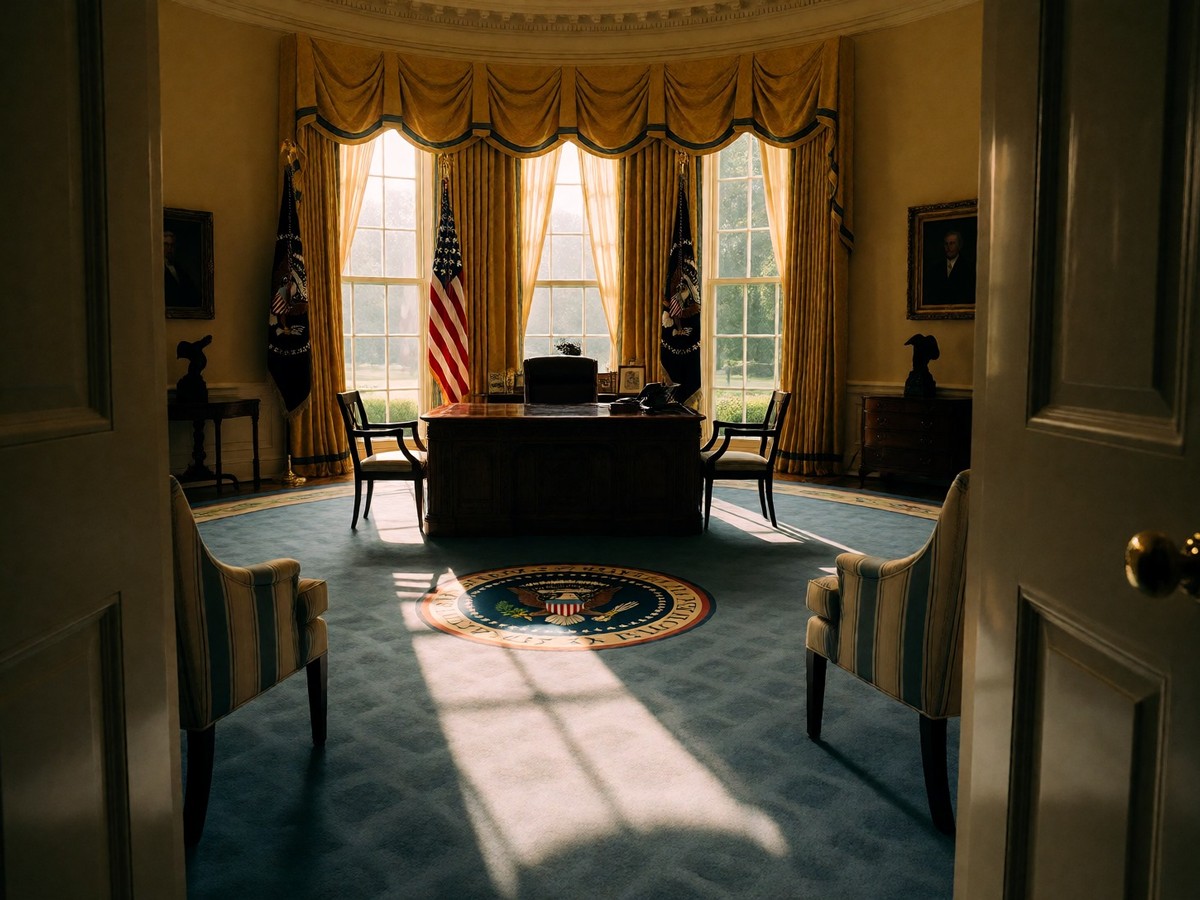
Tan met with Trump, Commerce Secretary Howard Lutnick, and Treasury Secretary Scott Bessent in the Oval Office on August 11 to discuss his leadership and the possibility of another solution. The 40-minute meeting followed the political pressure regarding his investment history in China. Tan argued to the book Regime Change that he could not have known about every single deal his many companies made, noting that Trump has his own sprawling business empire. To address the concerns, Tan shared a letter with the Intel board promising to liquidate his Chinese holdings and place any proceeds into a blind trust. He maintains his experience in China is a strength rather than a detriment to the company. He intends to show that his previous business ties do not impact his ability to lead the semiconductor firm.