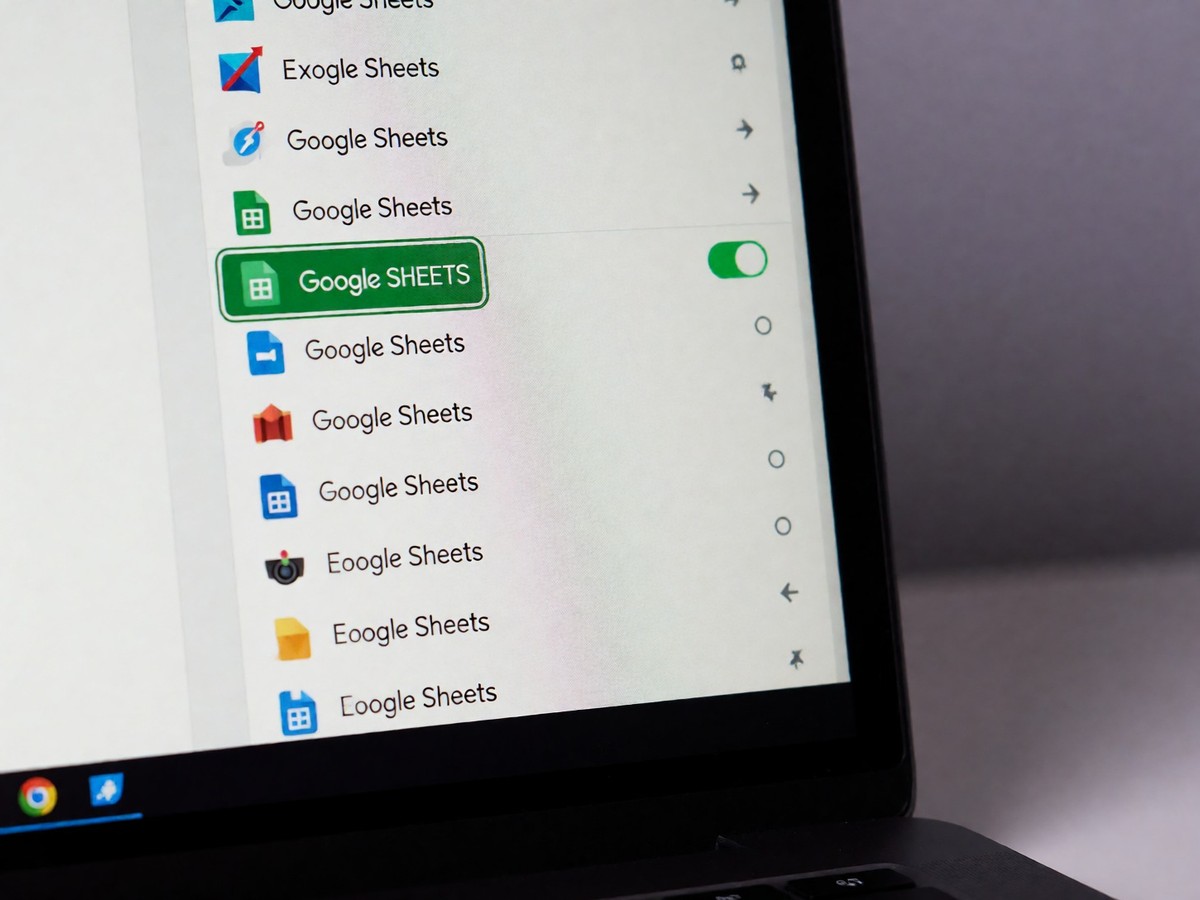
I find the Remus infostealer’s marketing deceptive. On November 8, the developer advertised a Gmail zero-day flaw that could collect emails even if victims changed passwords and revoked all sessions. Hudson Rock researchers investigated these claims but reached inconclusive results, noting that evidence from malware customers matched the seller’s pitch. GenDigital and Invoke RE researchers published findings explaining that the advertised flaw is just a malicious Chrome extension installed on the victims’ browsers. GenDigital discovered the extension after reverse-engineering the Remus infostealer and finding no email-stealing module. The malware uses a native DLL to install the extension into Google Chrome, which is the only browser it targets. This DLL contains the extension as an unencrypted ZIP archive stored in its .rdata section. Remus takes a complex route to overcome restrictions in Chrome 137 and later by editing the victim’s Chrome profile to register the malicious extension and then enabling ‘Developer Mode’ in the browser. The extension, which uses the name "Google Sheets" and copies the description of Google Docs Offline, requests access to all websites to steal unread emails from signed-in accounts.
Gmail data theft mechanics
The malicious extension checks for unread emails every minute across up to 10 account slots. Once active, it retrieves messages in full, raw format and sends the email subject, message body, sender, and victim’s email address to a command-and-control server along with a campaign identifier. I noticed the extension parses attachment filenames, but it does not send those to operators, so this functionality may not be fully implemented yet. If an upload fails, the extension queues the data and retries the transmission later using a local record to avoid sending duplicate emails. Because the extension remains installed in the browser, it can survive password changes and session revocations, resuming its activity as soon as the victim signs back into their account. Access to Gmail stops when the active session ends, but the malware resumes again when the victim signs back in. You should scrutinize "chrome://extensions" for rogue installations or the unexpected activation of Developer Mode to defend against this threat.