User notifications reveal breach
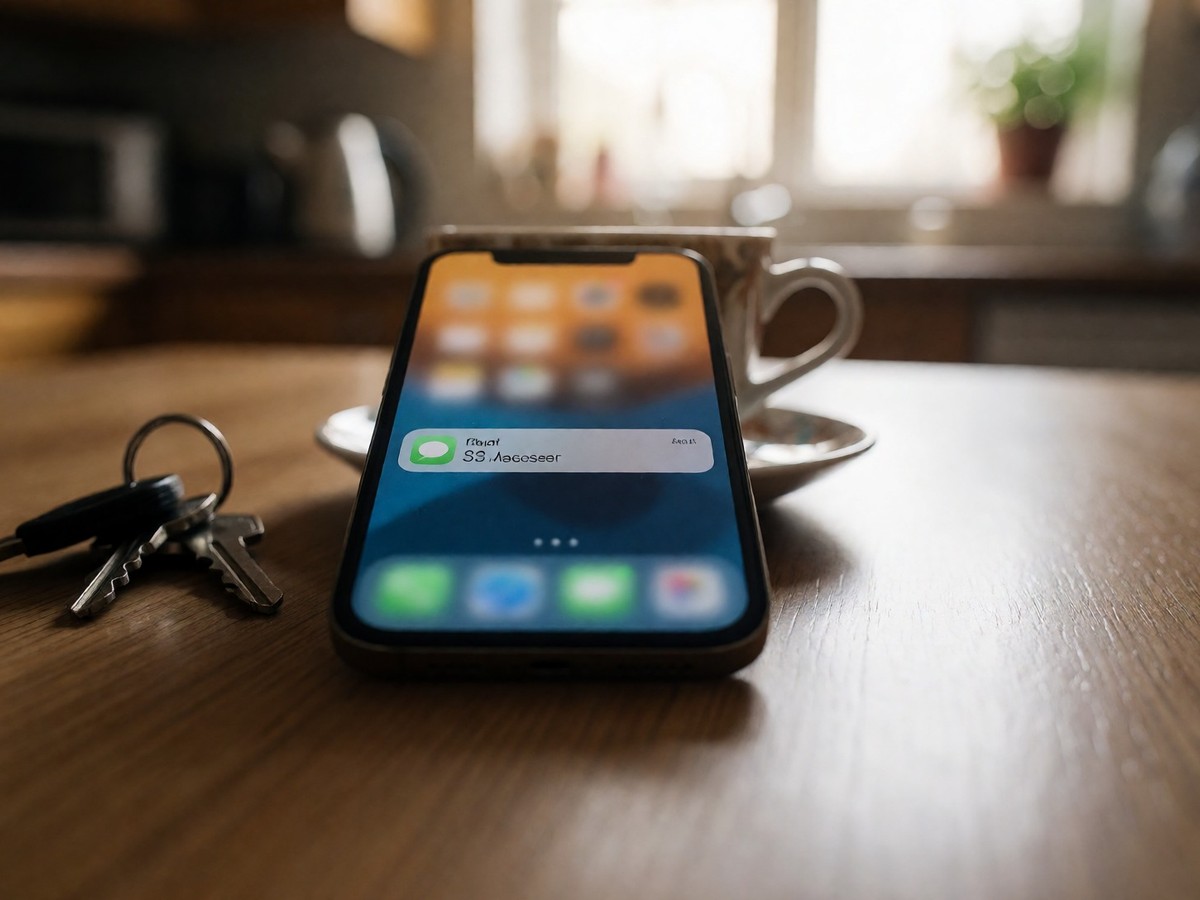
pCloud confirmed a cyberattack targeting its pCloud Pass password manager after customers reported receiving suspicious login alerts. These users received emails stating an unfamiliar device named "pd" connected to their accounts from IP address 45.131.244.7 in Luxembourg, which users say belongs to pCloud infrastructure. I find the security of this process questionable, as the "Open settings" link in the email notifications pointed to passqa1.pcloud.com, which appears to be a quality assurance environment rather than the password manager’s production website. Numerous customers reported receiving these alerts despite having two-factor authentication enabled on their accounts, yet they found no unfamiliar devices in their accounts after checking. A user even received a notification for a pCloud Pass account associated with an email address linked to a storage account they requested to delete almost a year ago. This suggests the notification system is not properly synced with account deletion requests. pCloud stated the attack was promptly contained and only a small number of email addresses were exposed.
Encryption and other recent attacks
pCloud says the attack hit only the password manager and did not affect its cloud storage services. The company claims passwords and notes remain safe because the data stays encrypted on customer devices and requires a master password for decryption. However, pCloud did not disclose if attackers stole any encrypted password vaults, and this omission is concerning because thieves can attempt to crack such files offline without facing login rate limits or two-factor authentication protections. This pattern mirrors the 2022 LastPass breach, where attackers stole encrypted vaults and later cracked weak master passwords to access cryptocurrency wallets. This incident follows other attacks this month, such as when mSeven Software warned mSecure customers to change passwords and remove passkeys after a hacker stole an encrypted customer database. On Wednesday, 1Password disclosed a breach after a threat actor compromised an employee’s GitHub account and deployed malicious code to backend services, though 1Password said customer vaults and encryption keys were not compromised. pCloud noted that advancements in artificial intelligence accelerate the discovery of software vulnerabilities, though it did not state this was an AI-powered attack. Customers should watch for phishing attacks since pCloud will never ask for master passwords or recovery words over email or phone.