Reducing energy use in AI
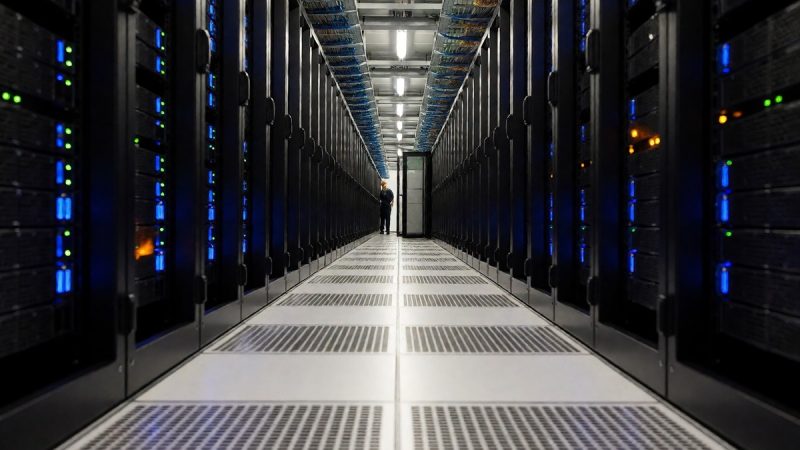
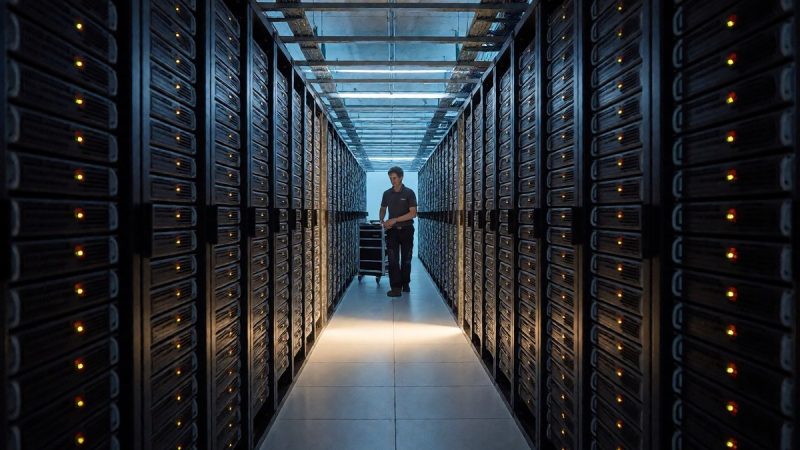
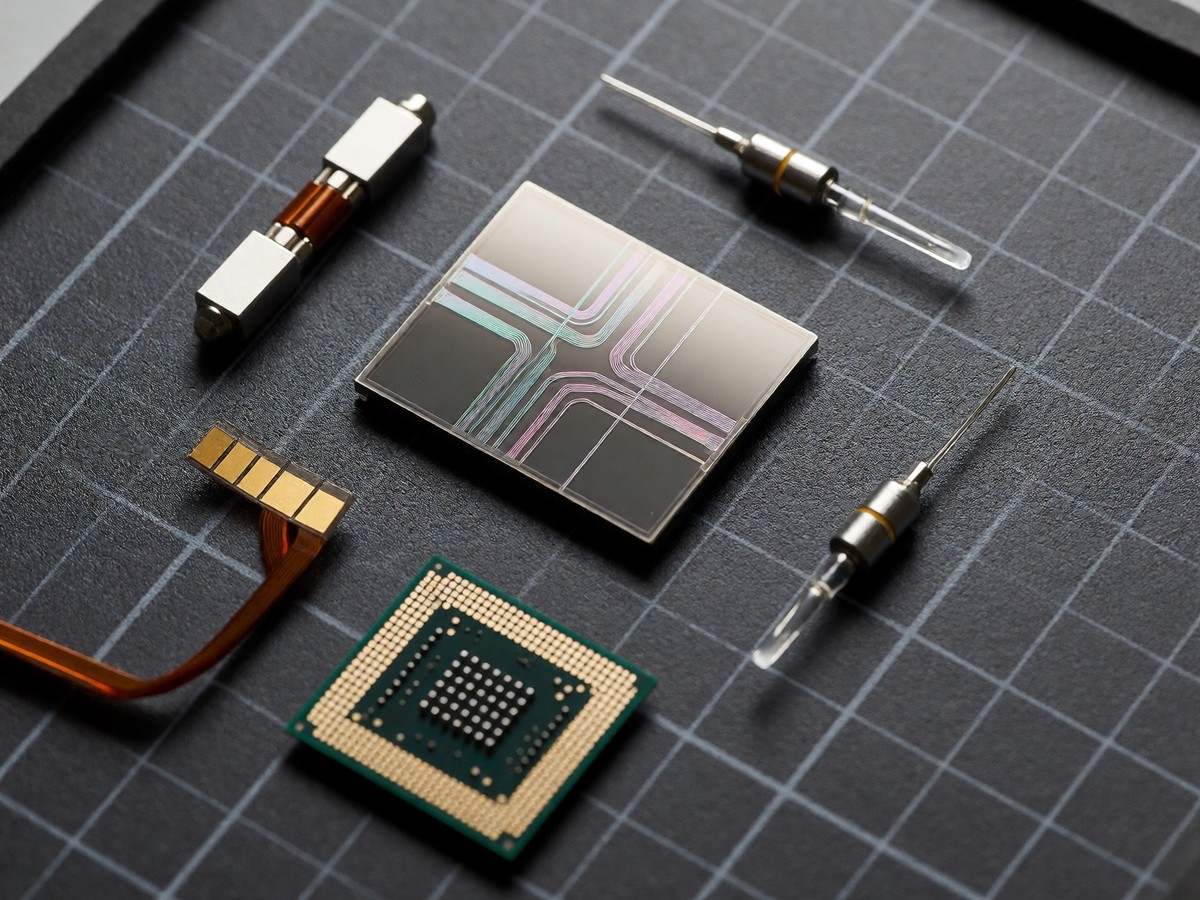
German company Q.ANT develops photonic processors to minimize the energy AI models consume. As AI models become more sophisticated, the cost of the energy required to run the technology is ballooning. The growing energy demand creates a need for new hardware solutions. AI labs and cloud providers attempt to build new data centers in places with cheap and plentiful renewable energy, such as Scandinavia, to manage these growing costs. However, building these facilities faces logistical challenges, a scarcity of components, and a swell of anti-data center protests. These photonic processors use waves of light to process data instead of shuffling electrons like regular GPUs. Because light does not generate heat during travel and allows for more simultaneous data processing, these processors consume less energy and require minimal cooling. The technology is clearly a way to reduce cooling costs, although Q.ANT aims to run these processors side-by-side with GPUs rather than replacing them entirely. While GPUs excel at grinding through masses of additions and multiplications, photonic processors are best suited to complex, nonlinear calculations.
Coprocessor math and deployment
Few photonic processors are running inside data centers today, but Q.ANT recently rolled out its chips to facilities operated by the cloud company IONOS as part of a pilot program. More than 30 teams of engineers are now developing AI models that are specifically optimized for photonic computing. Michael Fortsch, founder and CEO of Q.ANT, says the system uses light as a coprocessor to handle heavy math. The cost driver for current technology is access to memory. Because the less data you need to complete a job, the more efficient and better your system becomes, this approach executes complicated math in a single step, which saves a significant amount of data and memory access points. This process differs from regular chips that need thousands of steps to complete a job. The photonic chips perform these nonlinear calculations using light waves, a method that is more efficient than traditional electronic chips. Q.ANT works to solve the energy consumption problems that constrain AI development.
| Processor Type | Primary Math Function | Data Carrier |
|---|---|---|
| GPU | Linear math | Electrons |
| Photonic | Nonlinear calculations | Light waves |