Failed negotiations in Antalya
The COP31 summit in Antalya, Turkey, ended in chaos on Sunday after delegates failed to pass a pact they had negotiated for two weeks. To prevent extreme weather, coastal communities from flooding, and droughts from wrecking food and water systems, nations must slash greenhouse gas emissions. The EU, UK, and several smaller nations most vulnerable to climate change rejected the deal. The US, which is the epicenter of the data center buildout and the biggest climate polluter historically, was a no-show after the pro-fossil-fuel Trump administration pulled the country out of the Paris accord twice. Because official negotiations fell apart, and countries only made voluntary commitments on AI and electrification, some environmental and humanitarian groups called this year "the worst COP" ever.
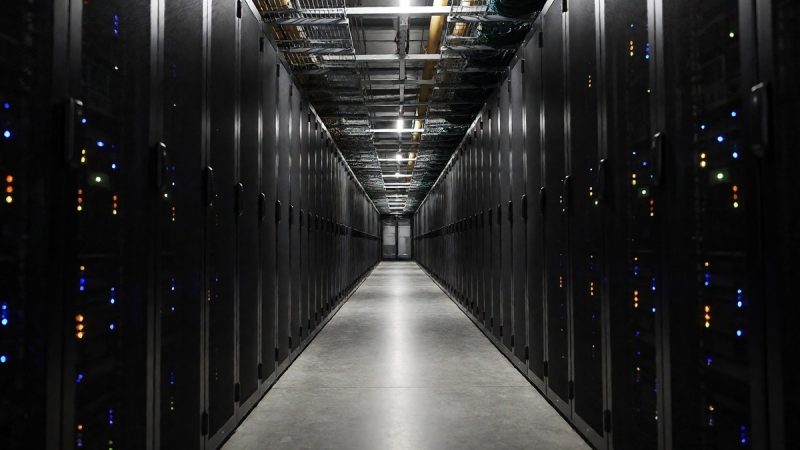
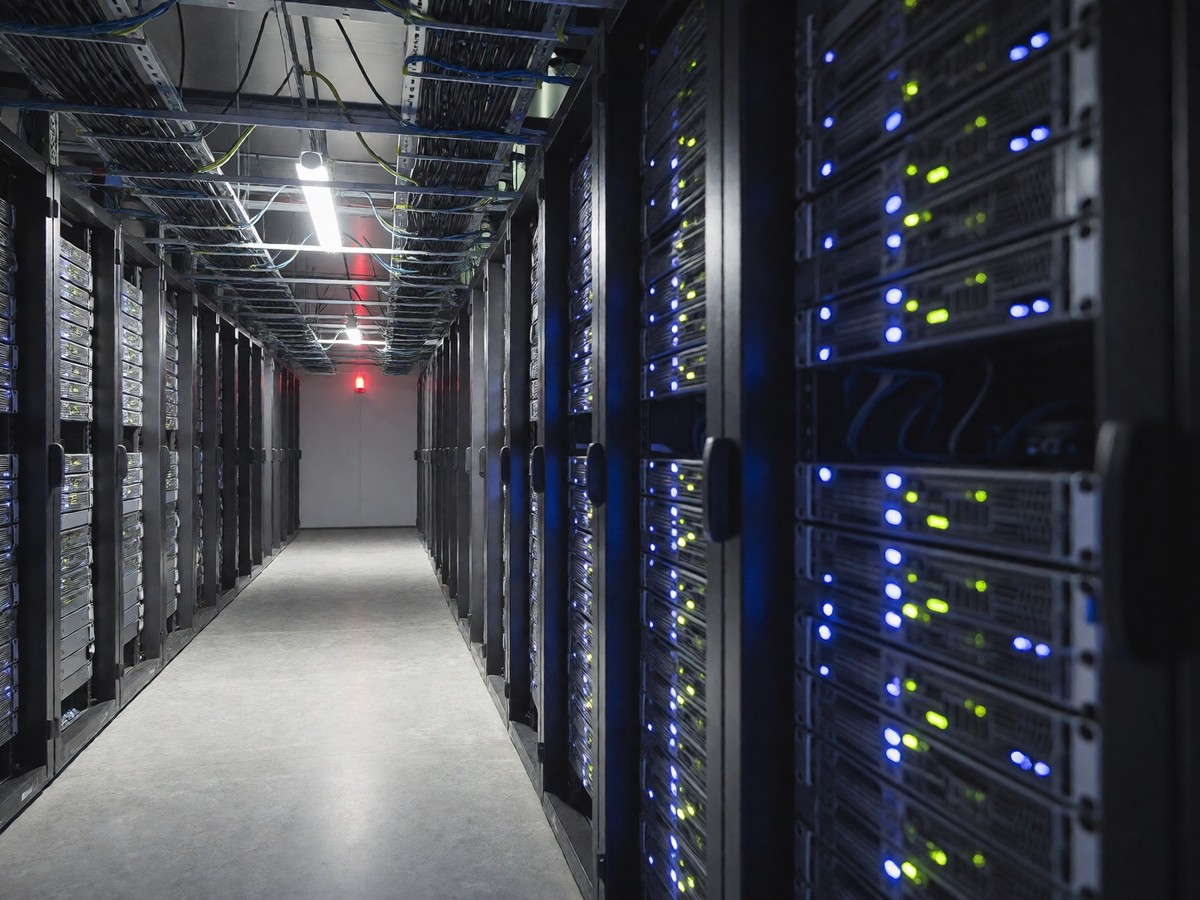
AI data centers make the transition to renewable energy harder by causing electricity demand to skyrocket. Chris Bowen, Australia’s minister for climate change and energy and the president of COP31 negotiations, told Politico that every climate minister is thinking about this. Tech companies face growing carbon footprints despite previous climate commitments. Google and Microsoft report growing footprints, while Meta reported a 45 percent year-over-year increase in climate pollution and is "re-evaluating" its timeline to reach net zero emissions. The International Energy Agency forecasts that electricity consumption for data centers will double by 2030. This surge in demand makes the 2035 goal to raise electricity’s share of global energy consumption from 20 percent to 35 percent significantly harder to achieve.
Data centers and the energy grid
Data centers compete with other sectors for grid connections, finance, and electricity generation capacity. Bruce Douglas, CEO of the Global Renewables Alliance, said data centers compete against tasks like heating, air conditioning, and electrifying transportation. Douglas, whose organization cohosted a panel on the challenges during the event, asked if new green electrons should be used for air-conditioning, electrification or data centres. The Sierra Club says power sector emissions in the US could increase 42 percent by 2030 as energy companies build more fossil fuel infrastructure to meet data center electricity demand. This increase could hinder global decarbonization efforts. Harvard researchers found that hyperscale data centers in the US create more climate pollution than Denmark.
| Metric | Value/Target |
|---|---|
| Global electricity share target by 2035 | 35 percent |
| Current global electricity share | 20 percent |
| Forecasted data center electricity increase by 2030 | Double |
| US power sector emission increase by 2030 | 42 percent |
The Antalya A.I. pledge failed to get much support. The Natural Resources Defense Council said the pledge needs teeth to translate into stronger protections for people and the planet. The agreement also calls for data centers to run on less polluting energy, but it lacked widespread backing. Douglas notes that by using the term "low-emission energy," the pledge leaves the door open for natural gas to power data centers. Around 80 nations signed a voluntary pledge to increase electricity’s share of energy consumption to 35 percent over the next decade, though Carbon Brief reports the list of countries has not been published yet. The failure of these negotiations proves that the AI boom is currently outpacing global climate policy.