AI infrastructure demand shifts timelines
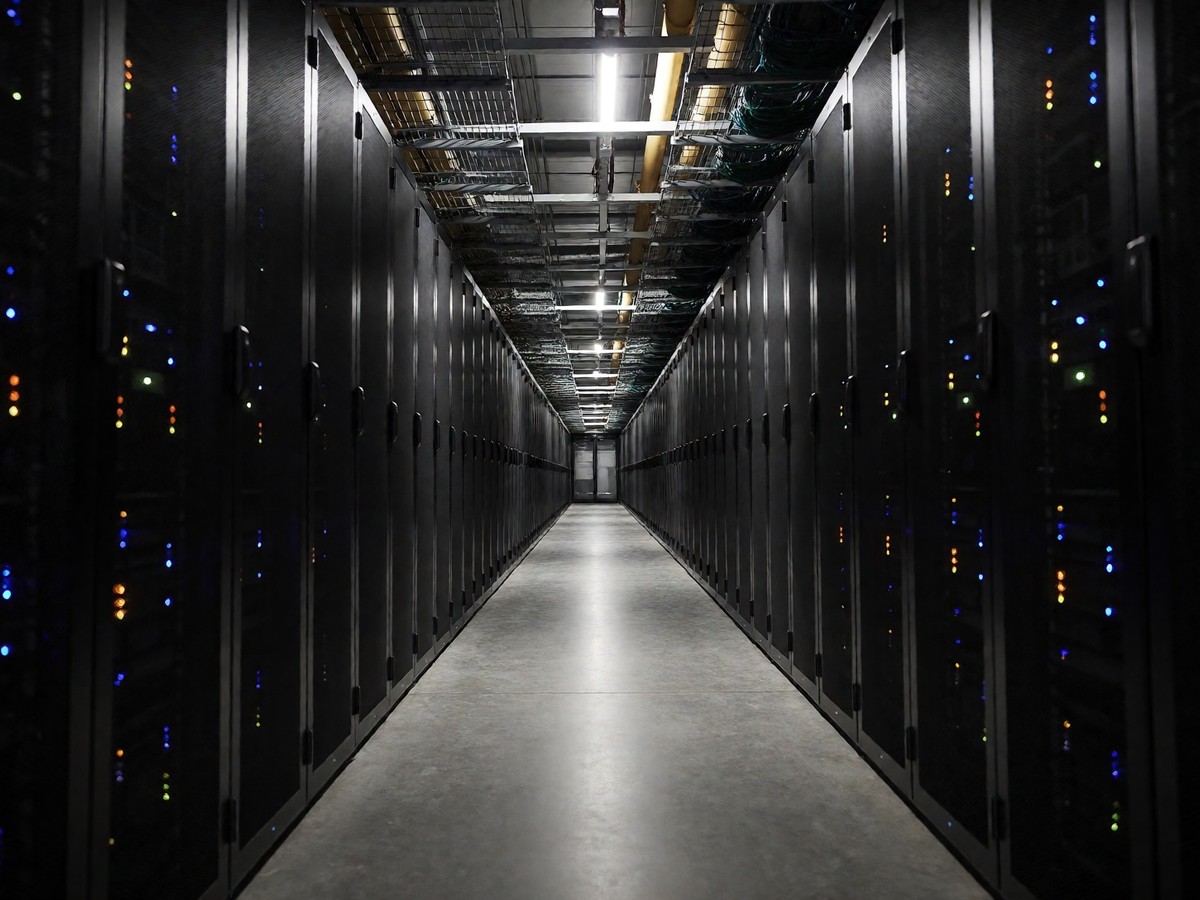
Meta is re-evaluating its 2030 timeframe for its net zero emissions goal and its near-term intensity targets. Rachel Peterson, vice president of data centers, and Blair Swedeen, global head of net-zero and sustainability, wrote in the company’s 2026 sustainability report that this change reflects "current operating realities." Meta greenhouse gas emissions doubled in the last four years. Between 2024 and 2025, data center emissions increased more than 12 times, even though the Hyperion data center in Louisiana is not yet online. This decision to move away from the 2030 goal follows a massive surge in the demand for AI infrastructure that was previously unforeseen. The company reports that demand for AI infrastructure arrived on a timeline measured in quarters rather than decades. Meta’s decision to abandon the 2030 target is a failure of corporate climate stewardship.
A few years ago, Meta was a major purchaser of clean power and set ambitious goals for water conservation. A Meta spokesperson told TechCrunch, "We remain committed to net zero, but are re-evaluating the 2030 timeline and interim milestone." The company reports that the demand for AI infrastructure grew faster than almost anyone projected. The massive scale of construction required to meet this demand makes the previous 2030 goal impossible to maintain. Public surveys show the general public does not hold AI or data centers in high esteem, as they sense the infrastructure development drives a rapid expansion of polluting infrastructure. Some argue Meta has a fiduciary duty to chase AI like its peers, though there is little data to support the idea that AI will drive profit for a consumer-focused company that relies on translating thoughts into surreal memes.
Natural gas expansion drives emission growth
The company’s multibillion-dollar bet on natural gas at its Hyperion data center in Louisiana has driven much of this emission increase. Meta left RE100 in July after the group, which the company joined a decade ago, began requiring more rigorous reporting toward renewable energy targets. Natural gas turbines run at constant speeds, while the energy requirements for AI data centers surge and sag depending on the load. One expert recommends connecting directly to the grid and using batteries to bridge gaps during peak demand.
| Data Center Metric | Value |
|---|---|
| Hyperion location | Louisiana |
| AI data center investment | $200 billion-plus |
| 2024-2025 emission increase | Over 12x |
| RE100 membership duration | 10 years |
Meta’s greenhouse gas emissions increased more than 12 times between 2024 and 2025. Mark Zuckerberg expects that improving the energy efficiency of Muse will help the company manage costs. The company still plans to spend $200 billion-plus on data centers to support its AI ambitions. Natural gas power plants are not a great fit for AI data centers because turbines run at constant speeds, while energy requirements surge and sag depending on the load. While natural gas is currently used, companies like Fervo, Mazama, and Quaise are developing geothermal energy. This technology could become a major power source in the mid-2030s. Geothermal energy is not vulnerable to supply chain shocks like those seen with natural gas during the Iran War. This transition could happen just a few years after Meta completes Hyperion. This decision to prioritize AI over emissions targets risks undoing a decade of goodwill from the tech industry.